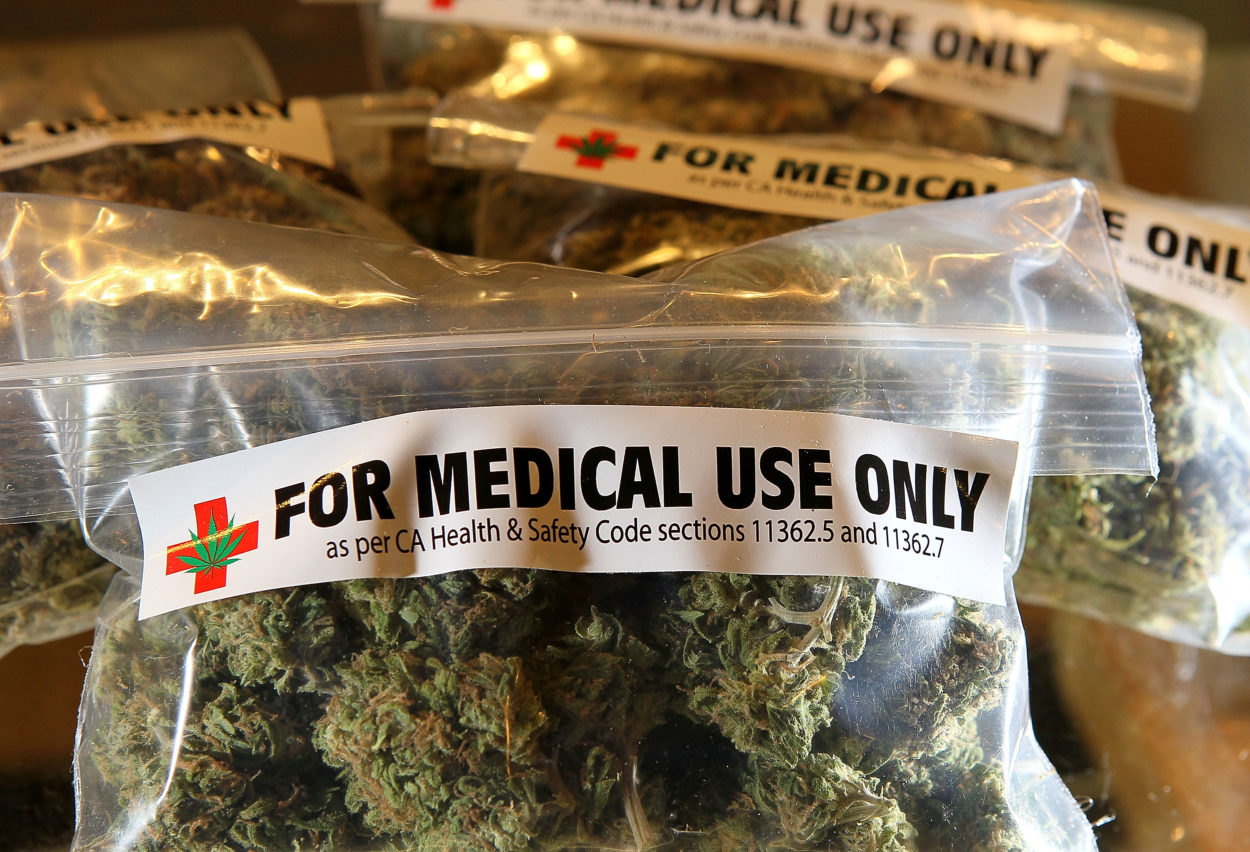
To first understand what prescribed medications can do to substitute marijuana, you have to first understand what marijuana does as a medical treatment. Primarily, marijuana is used to combat pain and nausea. It also is sometimes prescribed to people because it activates the patient's CB1 receptors, which create the 'high' feeling people experience when using marijuana. This high is the primary reason some people seek marijuana as a medical agent, rather than alternatives which are just as safe if not safer than marijuana.
For combating pain, there are over the counter medications which have the same impact as marijuana, and many of them you may actually have in your medicine cabinet. Medications like ibuprofen and acetaminophen are available without prescription and do the same things marijuana does in combating the pain. Codeine, which is only available through prescription, was found in nine review trials to be just as, if not more, effective in combatting acute, chromic, and cancer pain when compared against marijuana.
For combatting nausea, there are also medications available to fight the nausea chemotherapy and radiation patients experience. While marijuana is effective, there are multiple alternatives to marijuana both over the counter and through prescription. Unlike marijuana, however, while many of these medications don't have the same damaging effects marijuana has, some can cause anxiety and interact with other medications, which is why marijuana is still offered. There are many home remedies, though, which combat nausea as well. for example, eating slices of ginger is one home remedy which works to combat nausea.
For activating the brain's CB1 receptors, there aren't many alternatives to marijuana. However, there aren't really any reasons to need a medical alternative considering activating the CB1 receptors is basically a fancy way of saying "getting high." When marijuana is used, the chemical tetrahydrocannabinol binds to sites in the brain and nervous system called cannabinoid, or the CB1 receptors. When these are activated, they release neurotransmitters that produce the euphoric effects of marijuana, or in other words, the high people experience when they use marijuana. If this process is truly necessary for medical use, there are synthetic compounds slowly becoming more available as more and more tests prove their safety. One study has found that synthetic compounds in frog eggs can have the same impact as marijuana. It is still in medical trials, but it's on it's way to becoming available for public use.
So, in other words, there are many alternatives to medical marijuana which make it so legalizing recreational marijuana is unnecessary. There are too many negatives to marijuana such as the addiction it causes which do not outweigh the positives. The primary argument many people make is medical use, but as stated above there are many alternatives. Legalizing marijuana is unnecessary, and Pennsylvania should not do it.
By McKenna Anderson
Works Cited:
http://www.livestrong.com/article/202632-medical-marijuana-alternatives/
http://www.webmd.com/mental-health/tc/medical-marijuana-topic-overview
http://www.webmd.com/mental-health/tc/medical-marijuana-topic-overview


